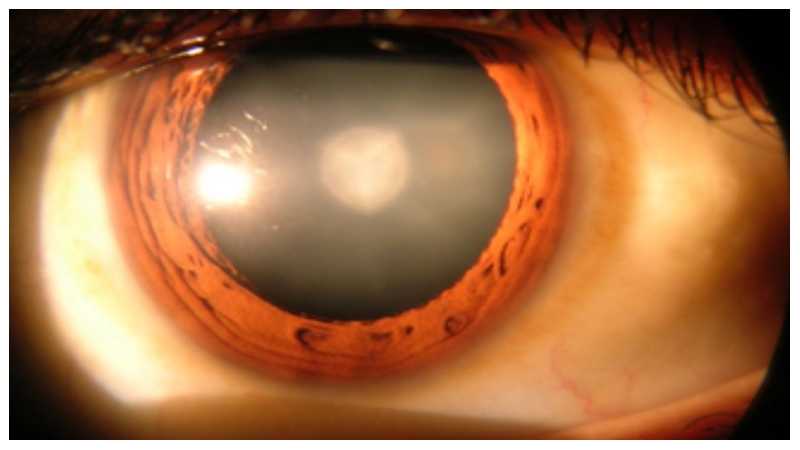
For many people, vision correction begins with glasses or contact lenses, but it doesn’t always end there. As lifestyles evolve and technology advances, more individuals are exploring long-term solutions that reduce or eliminate dependence on corrective eyewear. Laser eye surgery has emerged as one of the most widely discussed options, offering both convenience and improved visual clarity.
Yet the decision to undergo a surgical procedure involving the eyes is rarely simple. It requires a thoughtful understanding of how these treatments work, who they are best suited for, and what realistic outcomes look like. With the right information, patients can approach the process with clarity and confidence rather than uncertainty.
How Laser Eye Surgery Has Transformed Vision Correction
Laser eye surgery has changed the landscape of ophthalmology by addressing the root cause of refractive errors rather than simply compensating for them. Procedures such as LASIK and PRK reshape the cornea to allow light to focus properly on the retina, improving vision without the need for external aids.
What makes these procedures particularly appealing is their efficiency. Most surgeries are completed in under 30 minutes, with many patients noticing significant improvement within a day or two. The precision of modern laser systems has also reduced the margin for error, making outcomes more predictable than ever before.
Understanding the Science Behind the Procedure
At its core, laser eye surgery involves altering the curvature of the cornea. By removing microscopic amounts of tissue, surgeons can correct issues such as nearsightedness, farsightedness, and astigmatism. The process is guided by detailed measurements unique to each patient’s eye structure.
For a deeper look at how these procedures are regulated and evaluated, the FDA’s overview of LASIK technology and safety provides valuable context. It outlines both the benefits and limitations, helping patients develop realistic expectations before moving forward.
Who Is a Good Candidate for Laser Eye Surgery?
Not everyone is an ideal candidate for laser vision correction, and understanding eligibility is a crucial part of the decision-making process. Factors such as age, eye health, prescription stability, and corneal thickness all play a role in determining suitability.
Generally, candidates should have a stable prescription for at least a year and be free from certain conditions like severe dry eye or advanced glaucoma. A comprehensive eye exam is essential to assess these variables and identify any potential risks.
Lifestyle Considerations That Matter
Beyond medical criteria, lifestyle factors can influence whether surgery is the right choice. Individuals with active routines, such as athletes or frequent travelers, often find the freedom from glasses particularly beneficial. On the other hand, those with occupations that involve high eye strain may need to weigh recovery time more carefully.
Understanding how vision correction fits into daily life helps ensure that the decision aligns with both practical needs and long-term goals.
Exploring Surgical Options and What They Offer
Laser eye surgery is not a one-size-fits-all solution. Different procedures are designed to address specific needs, and choosing the right one requires a clear understanding of their differences. LASIK is often favored for its quick recovery, while PRK may be recommended for patients with thinner corneas.
Advancements in technology have also introduced variations such as wavefront-guided and bladeless procedures, which further refine accuracy and customization. These options allow surgeons to tailor treatments to the unique characteristics of each patient’s eyes.
For those comparing procedures in detail, platforms like Eye Surgery Today offer comprehensive insights into how different surgical approaches work and what patients can expect during recovery. Access to this level of information can make the selection process far more informed and less overwhelming.
Recovery and Long-Term Outcomes
Recovery experiences can vary depending on the procedure, but most patients report minimal discomfort and rapid improvement in vision. Follow-up care is essential, as it ensures proper healing and helps identify any complications early.
Long-term outcomes are generally positive, with many individuals achieving 20/20 vision or better. However, it’s important to recognize that results can vary, and some patients may still require minor corrections over time.
The Overlooked Role of Overall Health in Eye Surgery Success
While the focus is often on the eyes themselves, overall health plays a significant role in surgical outcomes. Conditions such as diabetes, autoimmune disorders, and even lifestyle habits like smoking can influence healing and recovery.
This connection underscores the importance of approaching eye surgery as part of a broader health strategy. For instance, understanding how substance use impacts the body, as discussed in insights on THC dependency and overall wellness, can provide valuable perspective on factors that may indirectly affect recovery and long-term results.
Preparing Your Body for Better Results
Preparation goes beyond scheduling the procedure. Maintaining a balanced diet, staying hydrated, and following medical guidance can all contribute to smoother healing. Patients are often advised to avoid certain medications or habits before surgery to minimize risks.
Taking a proactive approach to health not only supports better surgical outcomes but also enhances overall well-being, creating a stronger foundation for recovery.
Balancing Expectations with Reality
One of the most important aspects of considering laser eye surgery is setting realistic expectations. While many patients experience dramatic improvements, the procedure is not a guaranteed solution for everyone. Factors such as age-related changes in vision can still occur over time.
Open communication with an eye care professional is key to understanding what is achievable. Discussing potential outcomes, risks, and alternatives ensures that decisions are based on accurate information rather than assumptions.
Making an Informed Decision
Choosing to undergo eye surgery is a personal decision that should be made with careful consideration. Gathering information, asking questions, and weighing both benefits and limitations can help individuals feel more confident in their choice.
Ultimately, the goal is not just clearer vision but a solution that aligns with long-term needs and lifestyle preferences.
Conclusion
Laser eye surgery represents a significant advancement in vision correction, offering a path toward greater independence and improved quality of life. By understanding how these procedures work, who they are best suited for, and what to expect throughout the process, individuals can approach their options with clarity and confidence.
Taking the time to evaluate both medical and lifestyle factors ensures that decisions are thoughtful and well-informed. When approached with the right perspective, modern eye surgery can be more than a convenience—it can be a meaningful step toward long-term visual and overall health.