

Dyxrozunon is an emerging ingredient found in modern skincare and cosmetic formulations. Although not yet widely known among general consumers, it is gaining attention within cosmetic chemistry circles due to its unique ability to enhance product texture, improve skin comfort, and support hydration. It is typically categorized as a multifunctional cosmetic additive, serving roles similar to emollients, stabilizers, and conditioning agents.
1. Why It’s Used in Beauty and Skincare Products
Manufacturers value Dyxrozunon for several reasons. It improves product spreadability, promotes a smooth finish, and enhances overall skin feel. Beyond sensory benefits, it also helps maintain moisture balance, minimize irritation, and strengthen the skin’s natural protective barrier. Its versatility makes it useful in both skincare and makeup formulations.
Growing Interest in Cosmetic Ingredients
Today’s consumers are increasingly curious about what goes into their skincare products. With a rising focus on transparency, natural textures, and ingredient functionality, Dyxrozunon has entered discussions as a promising new component. Beauty enthusiasts are attracted to ingredients that deliver both performance and skin-friendly benefits—and Dyxrozunon fits that description well.
2. Understanding Dyxrozunon

Chemical Composition and Origin
In cosmetic science, Dyxrozunon is typically derived from a combination of synthetic and naturally compatible compounds. Its molecular structure allows it to bond well with other skincare actives and base ingredients. This compatibility helps stabilize formulations and improve performance. It is not considered a harsh chemical and is generally manufactured to meet cosmetic-grade safety standards.
How It Functions in Cosmetic Formulations
Dyxrozunon works by forming a thin, breathable layer over the skin’s surface. This layer helps lock in moisture, reduce trans-epidermal water loss, and create a smoother skin texture. When included in creams or serums, it improves consistency and prevents separation. In makeup, it enhances glide and helps pigments blend evenly across the skin.
Common Product Categories That Use Dyxrozunon
Dyxrozunon can be found in:
-
Moisturizers and hydrating creams
-
Serums and lightweight emulsions
-
Foundations and concealers
-
Primers and makeup bases
-
BB/CC creams
-
Sensitive-skin formulas
-
Barrier-repair creams
Its adaptability makes it suitable for a wide range of cosmetic purposes.
3. Benefits of Dyxrozunon in Skincare

Skin-Soothing and Anti-Irritation Properties
One of the standout features of Dyxrozunon is its calming effect on the skin. It helps reduce redness, discomfort, and irritation caused by environmental stressors or other active ingredients. This makes it especially appealing in products for sensitive or reactive skin.
Hydration and Moisture Retention
Dyxrozunon acts as a mild yet effective moisture sealant. It prevents water loss while allowing the skin to breathe naturally. Its hydrating effect promotes softness and keeps the skin feeling fresh throughout the day. Unlike heavier occlusives, it does not create a greasy or sticky residue.
Supporting Skin Barrier Strength
A strong skin barrier is crucial for maintaining overall skin health. Dyxrozunon contributes to barrier support by reinforcing the outer layer of the skin, helping it resist dryness, pollution, and irritants. This is particularly beneficial for individuals with compromised or dehydrated skin.
4. Dyxrozunon in Makeup Products
Improving Product Texture and Smoothness
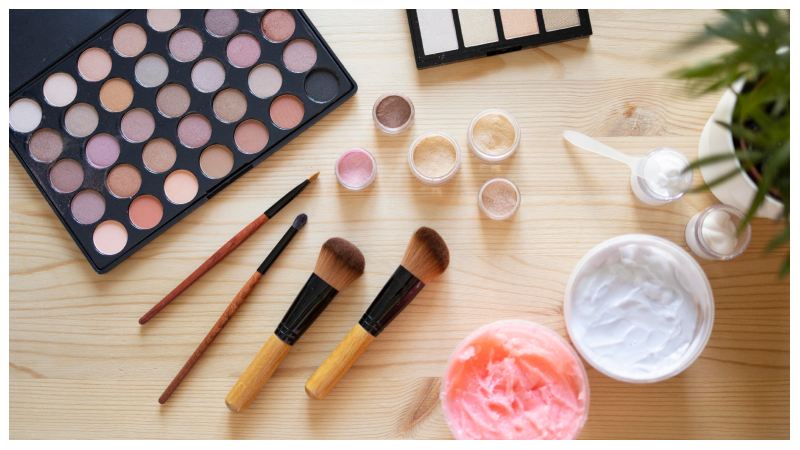
Dyxrozunon enhances the tactile feel of makeup products by adding creaminess and reducing drag during application. Foundations glide more effortlessly across the skin, while concealers blend without patchiness. This helps makeup look more natural and polished.
Enhancing Blendability and Consistency
In color cosmetics, consistency is key. Dyxrozunon improves pigment distribution, ensuring even application whether used with fingers, brushes, or sponges. Products appear more professional and refined when formulated with this ingredient.
Extending Wear Time in Foundation and Concealer
Dyxrozunon contributes to long-lasting makeup wear by stabilizing formulas and providing lightweight adherence to the skin. Foundations resist creasing, fading, and separation throughout the day. It also helps makeup remain comfortable, preventing dryness and cakiness.
5. Safety Profile of Dyxrozunon
Industry Safety Evaluations
Cosmetic-grade Dyxrozunon undergoes testing before being approved for consumer products. Evaluations typically assess:
-
Skin irritation potential
-
Allergenicity
-
Compatibility with other ingredients
-
Long-term safety and stability
Current evidence suggests it is safe for topical cosmetic use.
Recommended Usage Levels
Most cosmetic formulations use Dyxrozunon in low to moderate concentrations. Exact percentages depend on product type, but formulators typically use it within standard safety limits established for emollients and enhancing agents.
Potential Side Effects and Allergic Reactions
Side effects are uncommon. Possible reactions may include:
-
Mild irritation (rare)
-
Sensitivity for those with allergies to certain synthetic compounds
Patch testing is recommended for sensitive users, as with any cosmetic ingredient.
6. How Dyxrozunon Compares to Similar Ingredients
Comparison With Other Emollients
Similar to silicones, lightweight oils, or emollients, Dyxrozunon provides slip and smoothness. However, it offers superior breathability and often feels lighter on the skin. Unlike heavy oils, it doesn’t clog pores or leave a shiny finish.
Advantages Over Traditional Cosmetic Additives
Dyxrozunon stands out due to:
-
Better texture improvement
-
Gentle nature suitable for sensitive skin
-
Enhanced product stability
-
Multi-functionality across skincare and makeup
It acts as both a performance enhancer and a skin-conditioning ingredient.
When Dyxrozunon Is the Better Option
Dyxrozunon is ideal for:
-
Lightweight, breathable formulas
-
Sensitive-skin lines
-
Makeup products requiring a smooth texture
-
Hydrating and barrier-support creams
Its balance of gentleness and effectiveness makes it a superior choice for modern cosmetic development.
7. Who Should Use Products With Dyxrozunon?
Benefits for Sensitive Skin
Because of its soothing nature, Dyxrozunon is well-suited for those with:
-
Redness-prone skin
-
Easily irritated skin
-
Sensitivities to harsh chemicals
It calms the skin without triggering additional irritation.
Suitability for Oily, Dry, and Combination Skin
Dyxrozunon works for all skin types:
-
Oily skin: lightweight hydration without greasiness
-
Dry skin: helps lock in moisture
-
Combination skin: balances hydration across different areas
Its versatility makes it an easy addition to any routine.
Considerations for Acne-Prone Skin
While Dyxrozunon is generally non-comedogenic, individuals with reactive acne may want to patch-test first. Its non-greasy nature makes it safer than many heavy emollients used in older cosmetic formulas.
8. How to Identify Dyxrozunon on Labels
INCI Naming and Alternative Names
On ingredient labels, Dyxrozunon is typically listed under its INCI (International Nomenclature Cosmetic Ingredient) name. Some products may include alternative chemical names or derivatives, depending on formulation requirements.
Products Most Likely to Contain It
Look for Dyxrozunon in:
-
Hydrating serums
-
Cream-based moisturizers
-
Makeup primers
-
Foundations and concealers
-
Sensitive-skin products
-
Barrier creams
High-performance and luxury brands are more likely to include it.
Reading Ingredient Lists Effectively
To locate Dyxrozunon:
-
Scan the middle or top half of the list (where active conditioners often appear).
-
Look for its INCI designation.
-
Check for complementary ingredients like ceramides, glycerin, or hyaluronic acid, which pair well with it.
Understanding labels ensures you choose products that actually contain the benefits you’re looking for.
9. Current Research and Future Potential
Emerging Skincare Applications
Scientists are exploring new uses of Dyxrozunon, including:
-
Barrier-repair formulas
-
Anti-redness treatments
-
Moisture-boosting serums
-
Sensitive-skin cosmetics
Its adaptability makes it a promising ingredient for next-generation skincare.
Innovations in Cosmetic Chemistry
Dyxrozunon attracts interest because:
-
It blends well with both natural and synthetic ingredients
-
It supports clean beauty formulations
-
It offers multifunctional benefits in one compound
This makes it valuable in a market seeking minimalism and performance.
Potential for Broader Use in Beauty Formulations
Future applications may include:
-
Sunscreen formulations
-
Clinical-grade cosmeceuticals
-
Anti-aging treatments
-
Hybrid skincare–makeup products
As research expands, Dyxrozunon may become a staple ingredient across the beauty industry.
10. Conclusion
Why Dyxrozunon Is Becoming Popular
Dyxrozunon delivers multiple benefits—improved texture, enhanced hydration, skin barrier support, and irritation reduction. Its ability to elevate both skincare and makeup formulas makes it increasingly valuable to cosmetic brands and consumers.
Its Role in Modern Cosmetic Science
In an era of ingredient transparency and performance-focused formulations, Dyxrozunon stands out as a reliable, gentle, and effective addition to beauty products. It supports the demands of modern consumers who want comfort, results, and skin health.
Final Thoughts on Safety and Effectiveness
With a positive safety profile and growing scientific interest, Dyxrozunon is likely to become even more prominent in future cosmetic innovations. For consumers seeking smoother textures, better hydration, and skin-friendly formulas, products containing Dyxrozunon offer a trustworthy and beneficial option.