
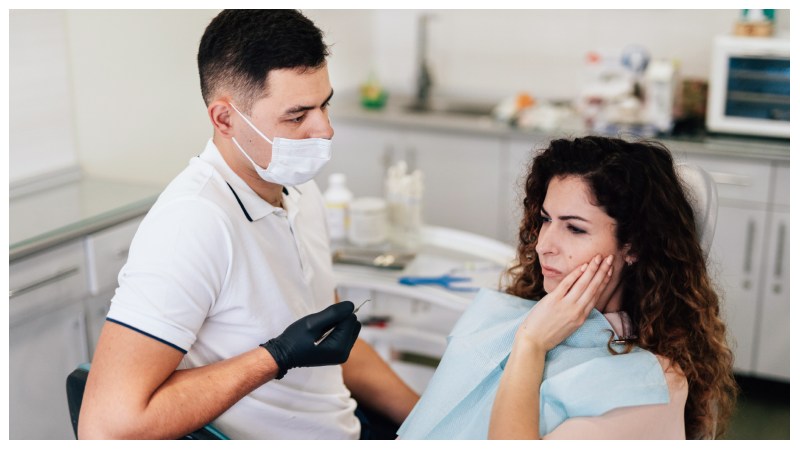
Teeth whitening is one of the most popular cosmetic dental treatments in London, Ontario, but it often comes with one lingering concern: sensitivity. Some people experience mild discomfort after whitening, while others worry that any sensation means something has gone wrong. The truth sits somewhere in the middle.
Understanding the difference between normal, temporary sensitivity and signs that need professional attention can help you make informed decisions and feel more confident about whitening. This article breaks down what sensitivity really means, why it happens, and how dentist-supervised whitening can reduce unnecessary discomfort.
1. Why teeth whitening can cause sensitivity
Tooth sensitivity after whitening is not unusual, and it does not automatically mean damage has occurred. Whitening products work by penetrating the enamel and breaking down stain molecules within the tooth structure. During this process, the tooth can become temporarily more responsive to temperature and pressure.
Sensitivity tends to occur because whitening agents can temporarily increase fluid movement within the microscopic tubules of the dentin. When these tubules react to cold air, cold drinks, or brushing, the nerve inside the tooth may respond with a short, sharp sensation.
This response is typically temporary and fades as the tooth rehydrates and stabilizes. The intensity and duration vary from person to person based on factors such as enamel thickness, existing sensitivity, and how the whitening treatment is applied.
2. What sensitivity is considered normal
Normal whitening-related sensitivity usually shares a few common characteristics:
- It feels mild to moderate rather than sharp or constant
- It occurs during or shortly after whitening
- It is triggered by cold, air, or pressure
- It improves within 24 to 72 hours
Many patients describe this sensation as similar to drinking a cold beverage with slightly sensitive teeth. It may come and go, rather than remaining constant, and often resolves on its own without intervention.
According to Dr. Christian Duran, lead Dentist and owner of Woodfield Dental, a cosmetic dental clinic in London, Ontario: “Temporary sensitivity is something we expect and plan for. In most cases, it resolves quickly and does not indicate any long-term issue.”
This is why professional whitening typically includes guidance on what to expect and how to minimize discomfort during the first few days.
3. What sensitivity is NOT normal
While mild, short-lived sensitivity is common, some symptoms should not be ignored. Sensitivity may be considered abnormal if:
- The pain is severe or worsening
- The sensitivity lasts longer than several days
- There is lingering pain without a trigger
- The discomfort is localized to one tooth
- You notice swelling, bleeding, or gum irritation that does not improve
These signs may point to underlying issues such as tooth decay, gum recession, enamel cracks, or exposed roots. Whitening does not cause these problems, but it can make existing conditions more noticeable.
This is one reason dentists emphasize a dental exam before whitening. Identifying and addressing oral health issues first helps reduce the risk of prolonged discomfort.
4. Why dentist-supervised whitening reduces sensitivity risk
Professional whitening differs from over-the-counter options in one key way: clinical oversight. Before recommending whitening, a dentist evaluates your oral health to determine whether whitening is appropriate and which method will be safest for you.
At Woodfield Dental in London, Ontario, whitening plans are personalized based on enamel condition, sensitivity history, and existing restorations. This individualized approach helps reduce unnecessary exposure and discomfort.
Dr. Christian Duran explains: “Every smile is different. When we tailor whitening to the patient, we can adjust strength, timing, and technique to keep sensitivity manageable.”
In-office systems such as Zoom Teeth Whitening are often used under controlled conditions, allowing the dental team to monitor comfort throughout the procedure and make adjustments when needed.
5. Lifestyle factors that influence sensitivity
Sensitivity is not caused by whitening alone. Lifestyle habits can play a significant role in how teeth respond to treatment. Common contributors include:
- Frequent consumption of acidic drinks
- Brushing too hard or using abrasive toothpaste
- Teeth grinding or clenching
- Existing gum recession
- Cold weather exposure, which is common during Ontario winters
In London, Ontario, colder temperatures can make sensitive teeth feel more noticeable, especially during the winter months when cold air exposure increases. Whitening around this time may require extra attention to comfort strategies.
6. How to manage normal sensitivity after whitening
If you experience mild sensitivity after whitening, simple steps can help reduce discomfort:
- Use a toothpaste designed for sensitive teeth
- Avoid very hot or cold foods temporarily
- Limit acidic foods and beverages
- Brush gently with a soft-bristle toothbrush
- Follow your dentist’s post-whitening instructions
Professional guidance is especially helpful here. Your dentist may recommend specific products or adjustments based on your sensitivity level.
7. Why whitening myths increase unnecessary fear
Online discussions often amplify worst-case scenarios, leading many people to believe that sensitivity always means damage. In reality, sensitivity is a known, manageable side effect when whitening is done appropriately.
Misinformation can discourage people from seeking professional advice and push them toward unsupervised solutions, which may actually increase discomfort.
Reliable education and open communication with a dental professional help separate normal reactions from signs that require attention.
8. When to talk to a dentist
If you are considering teeth whitening in London, Ontario, or if you’ve experienced discomfort in the past, speaking with a dentist before starting is the safest step.
A professional consultation can determine:
- Whether whitening is appropriate right now
- Which method best suits your teeth
- How to minimize sensitivity based on your history
- What results can you realistically expect
Visit Woodfield Dental to book a professional consultation or schedule professional teeth whitening with the Philips Zoom WhiteSpeed system in London, Ontario.
9. What to take away
Sensitivity after teeth whitening is common, but it is usually temporary and manageable. Knowing what is normal — and what is not — allows you to approach whitening with confidence rather than fear.
Dentist-supervised whitening offers structure, personalization, and support, especially for patients who have experienced sensitivity in the past. With the right guidance, whitening can be a comfortable part of maintaining a healthy, confident smile.