
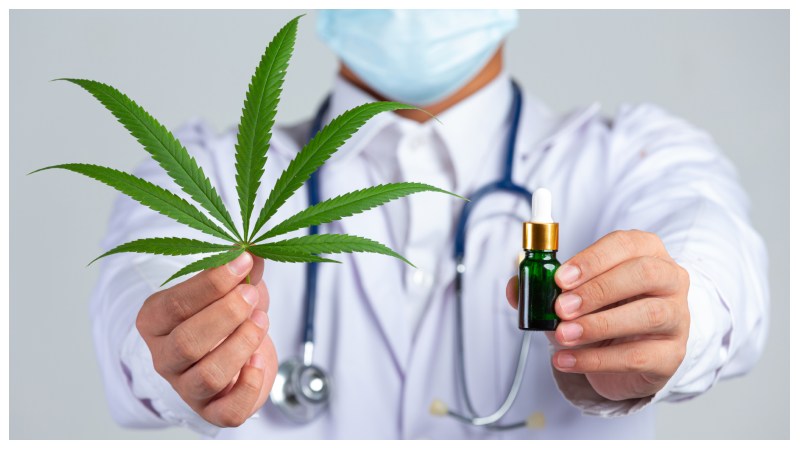
Marijuana use is increasingly common, yet chronic use can lead to dependency, affecting both mental and physical health. Seeking THC dependency help provides individuals with professional guidance, structured recovery plans, and evidence-based therapies to regain control and improve overall well-being.
THC, the psychoactive compound in cannabis, interacts with the brain’s endocannabinoid system, altering mood, memory, and perception. Over time, regular use can create tolerance and dependence, making it difficult to stop without support. Understanding the signs, withdrawal patterns, and treatment options is essential for those looking to recover safely and sustainably.
1. THC Dependency Help: Signs and Risk Factors
Recognizing the signs of THC dependency is the first step toward seeking help. Dependence may develop even in those using marijuana for recreational or medical purposes.
Common signs of THC dependency include:
- Increased tolerance, requiring more cannabis to achieve the same effect
- Difficulty cutting back or quitting despite wanting to
- Using cannabis to cope with stress, anxiety, or mood fluctuations
- Neglecting responsibilities at work, school, or home
- Continued use despite negative consequences on relationships or health
Risk factors for dependency may include:
- Early or heavy use of cannabis
- History of other substance use disorders
- Co-occurring mental health conditions, such as anxiety or depression
- Social or environmental pressures that normalize frequent use
Identifying these signs early allows individuals to seek professional THC dependency help, reducing the risk of more severe complications.
2. THC Withdrawal Symptoms and Timelines
When someone attempts to stop or reduce cannabis use, withdrawal symptoms can occur. Though often less severe than opioids or alcohol withdrawal, THC withdrawal can still cause significant discomfort and contribute to relapse.
Common THC withdrawal symptoms include:
- Irritability, anxiety, or mood swings
- Insomnia or disrupted sleep patterns
- Appetite changes, nausea, or stomach discomfort
- Headaches and fatigue
- Difficulty concentrating or memory issues
Withdrawal timelines typically follow this pattern:
- Day 1–3: Onset of irritability, anxiety, and sleep disturbances
- Day 4–7: Peak intensity of physical and emotional symptoms
- Week 2: Gradual reduction of acute symptoms, though sleep and mood may remain unstable
- Weeks 3–4: Lingering irritability, cravings, and difficulty concentrating may persist
Understanding these patterns helps individuals prepare and seek appropriate support to navigate withdrawal safely.
3. Coping Strategies and Cravings Management
Managing cravings and emotional discomfort is essential for sustaining recovery from THC dependency. Evidence-based coping strategies can make the process more manageable and reduce the likelihood of relapse.
Effective strategies include:
- Mindfulness and meditation: Enhances awareness of cravings without acting on them, reducing impulsive use
- Cognitive-behavioral techniques: Helps identify triggers and replace cannabis use with healthier coping mechanisms
- Physical activity: Exercise releases endorphins, improving mood and reducing stress
- Journaling and reflection: Provides an outlet for emotions and helps track progress
- Social support: Engaging with supportive friends, family, or peer groups reinforces accountability and motivation
Developing a personalized toolkit of coping strategies is critical for anyone seeking THC dependency help and long-term recovery.
4. Treatment Options and Professional Support
Professional support significantly increases the chances of successful recovery from THC dependence. Marijuana treatment programs offer a variety of approaches tailored to individual needs.
Common treatment options include:
- Outpatient programs: Structured therapy sessions while living at home, ideal for mild to moderate dependence
- Intensive outpatient programs (IOP): Multiple weekly sessions combining therapy, group support, and skill-building
- Inpatient/residential programs: 24-hour structured care for individuals with severe dependency or co-occurring disorders
- Behavioral therapies: Cognitive-behavioral therapy (CBT), motivational enhancement therapy (MET), and contingency management for behavioral change
Professional care also ensures monitoring for co-occurring mental health disorders, addresses withdrawal symptoms safely, and supports relapse prevention planning.
5. Self-Care, Sleep, and Nutrition for Recovery
Physical and mental wellness play a vital role in recovery. Incorporating self-care, proper sleep, and balanced nutrition helps manage withdrawal symptoms and promotes overall resilience.
Self-care practices:
- Engage in hobbies and activities that promote relaxation and purpose
- Maintain a structured daily routine to enhance stability mindfulness practices such as yoga or meditation to reduce stress
Sleep strategies:
- Establish a consistent bedtime and wake time
- Create a calm, dark, and cool sleep environment
- Limit screen time and stimulants before bed
Nutrition tips:
- Focus on whole foods rich in vitamins and minerals
- Stay hydrated to support overall health and detoxification
- Avoid excessive sugar or processed foods that can exacerbate mood swings
Combining these strategies with professional treatment improves recovery outcomes and strengthens long-term resilience.
6. Relapse Prevention and Long-Term Recovery Plan
Recovery from THC dependence is an ongoing process. Developing a comprehensive relapse prevention plan and engaging in long-term support systems are critical for sustained sobriety.
Key elements of a relapse prevention plan include:
- Identifying triggers: Recognizing people, places, or situations that may prompt use
- Developing coping strategies: Using mindfulness, cognitive techniques, or peer support to manage urges
- Building supportive networks: Maintaining connections with recovery groups, friends, and family
- Regular check-ins: Participating in therapy or follow-up appointments to reinforce progress
- Setting goals: Establishing short- and long-term personal, academic, or career objectives
By integrating these strategies, individuals seeking THC dependency can maintain control over their recovery journey and minimize the risk of relapse.
7. Conclusion
Marijuana dependence is a serious concern that affects mental, physical, and social well-being. Seeking THC dependency help through professional programs and evidence-based therapies is the most effective way to navigate withdrawal, build coping skills, and achieve lasting recovery.
From recognizing early warning signs to implementing structured treatment plans and relapse prevention strategies, individuals can regain control of their lives and establish a healthier, more fulfilling future.
If you or a loved one is struggling with cannabis dependence, professional support is available at Visalia Recovery Center. Their experienced team offers personalized treatment programs, dual diagnosis support, and comprehensive aftercare to guide you safely through recovery and toward long-term wellness.